Michael DiFiore | Pittsburgh East End Real Estate Expert
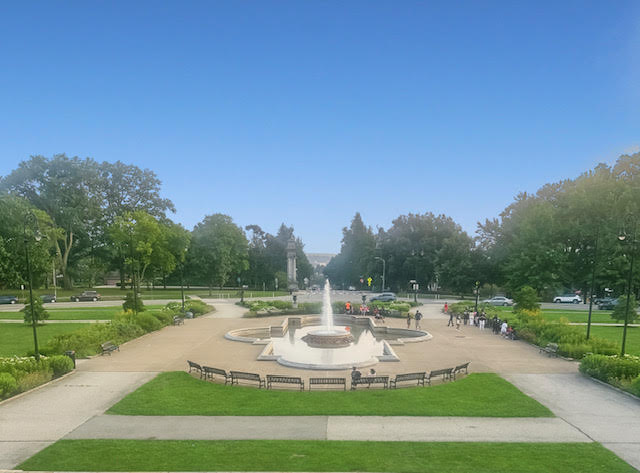
One of the biggest differences about Highland Park is that the neighborhood revolves around the park.
People don’t gather around shopping. They gather around green space.
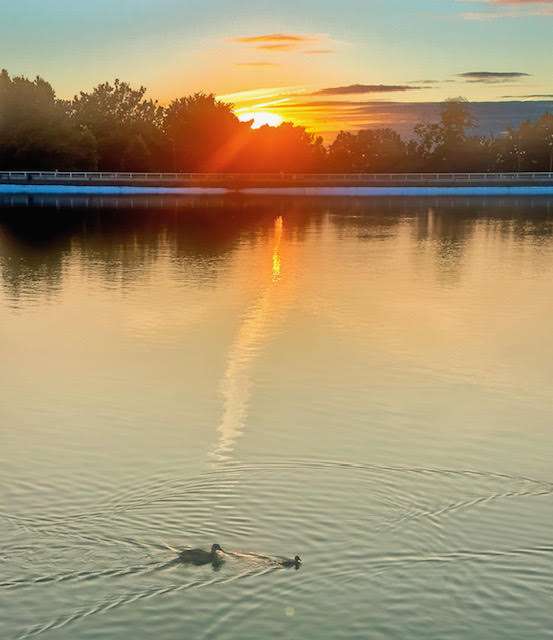
They walk. They run. They push strollers. They walk their dogs. They sit by the reservoir.
One of the biggest differences between Highland Park, Shadyside, and East Liberty is something you still see on the neighborhood streets: school-age kids riding bikes, playing together, and moving from block to block.
That was one of the original reasons we moved here 30 years ago. We wanted our children to have the independence to leave the house, find friends nearby, and move through the neighborhood together.
There is safety in numbers, but there is also something important about growing up knowing the families around you and feeling connected to more than your own block.
Thirty years later, I can still walk around Highland Park and see kids having that same experience.
One of the things I’ve always appreciated as a Realtor is that Highland Park gives buyers more house, more character, and more neighborhood than they often expect for their money.
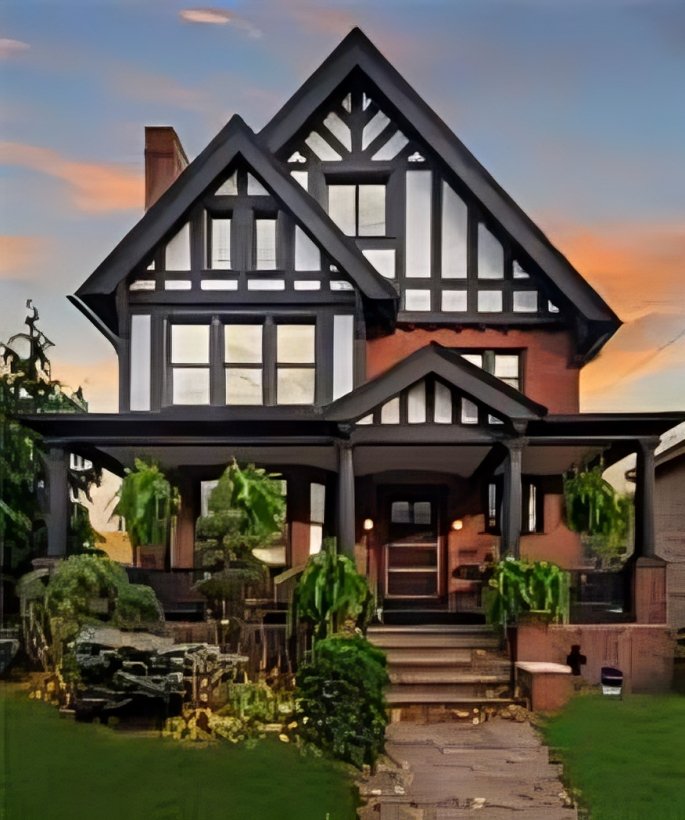
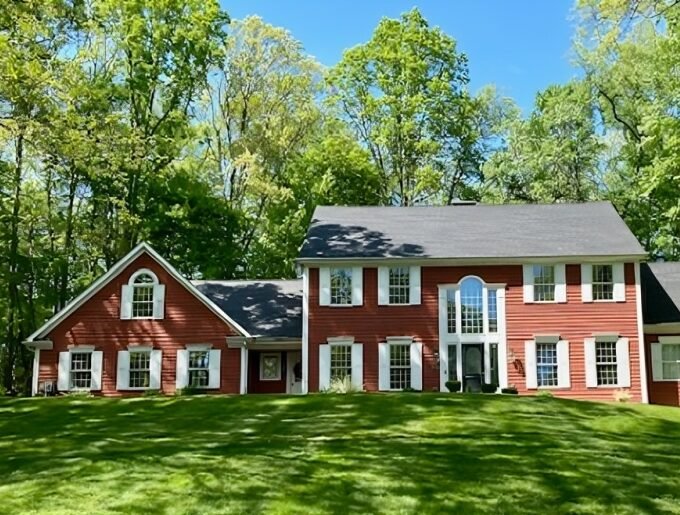
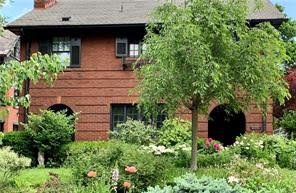
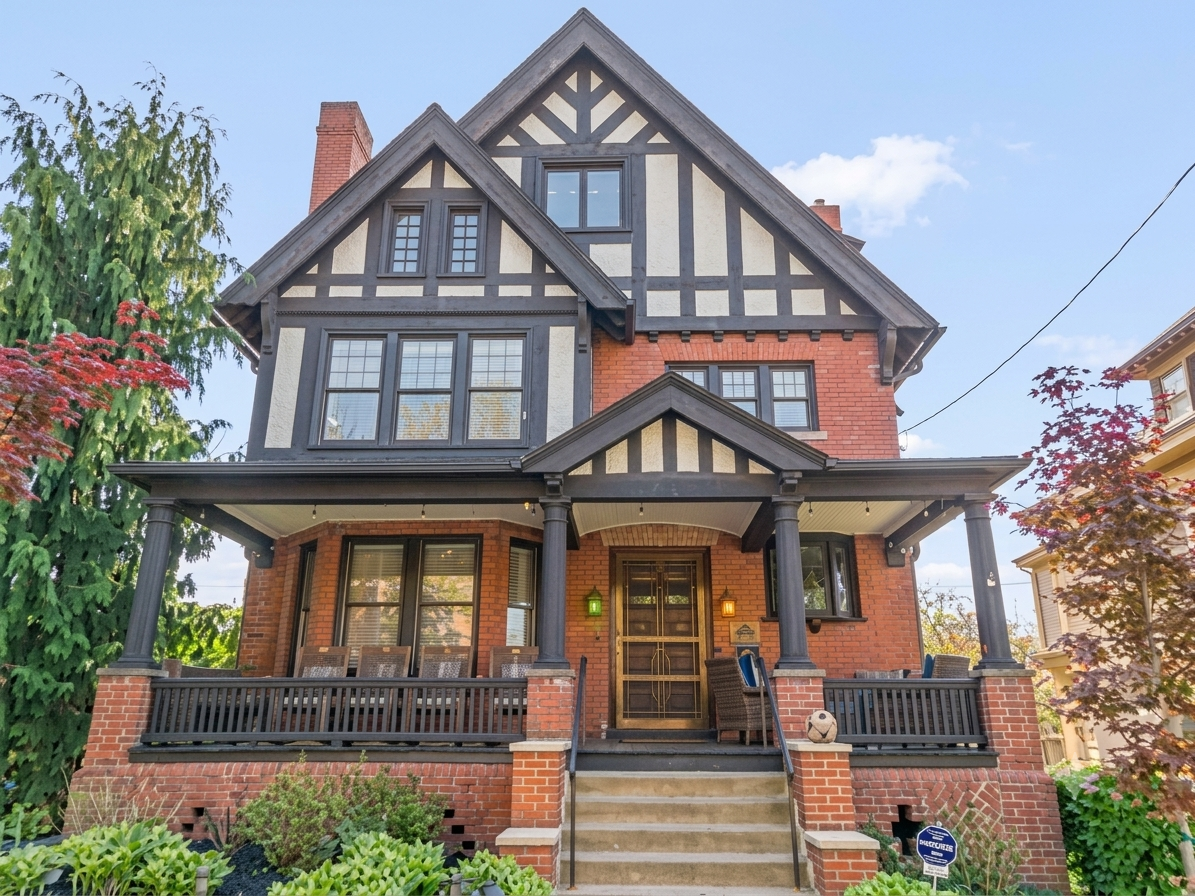
The neighborhood offers tree-lined residential streets, substantial older homes, front porches, usable yards, and immediate access to the park all while remaining part of Pittsburgh’s East End.
The area north of Stanton Avenue and east of Highland Avenue is what I consider the Park Side of Highland Park. For the longest time, this was viewed as the neighborhood's most desirable area for single-family homes. Its location near the park, residential character, and established homes continue to make it an important part of the Highland Park market.
The area north of Hampton Street between Highland and Negley avenues contains some of Highland Park's largest and most beautiful homes. That is also true north of Hampton on the west side of Negley, where buyers will find another collection of substantial homes with impressive architectural character.
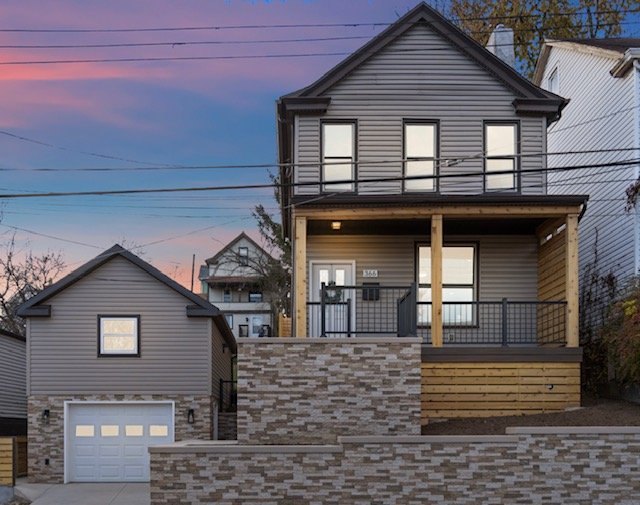
South of Hampton Street between Highland and Negley avenues, buyers can still find occasional homes offering renovation and value-add potential. These opportunities have become less common as Highland Park has grown more desirable, but properties still come to market where thoughtful renovation can create meaningful value.
The truth is that Highland Park has become a very intertwined and highly desirable neighborhood.
There was a time when one section was clearly considered more valuable than another. Today,
beautifully renovated and well-maintained homes command strong prices throughout Highland Park.
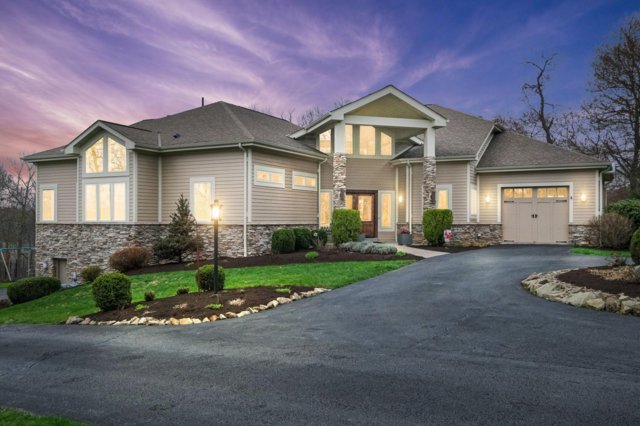
Depending on the home’s size, condition, architecture, lot, and renovation quality, prices approaching—and sometimes reaching—the $800,000 to $1 million range can now be found in every section of the neighborhood.
Highland Park is still a street-by-street and house-by-house market, but desirability is no longer limited to one small part of it.
Over the past year, 66 homes sold in Highland Park, with prices spanning nearly the full spectrum of the from the low $200,000s to more than $1 million. The median sale price was approximately $500,000.
Roughly one-quarter of those sales closed above $600,000, typically for larger four- and five-bedroom homes, while smaller three-bedroom homes remained available in the $200,000s and $300,000s.
That range reflects exactly what I described earlier: Highland Park has become one intertwined. Strong, well-maintained homes command premium prices in every section of the neighborhood, while more modest homes still provide entry points across a broad range of prices.

Prices from the low $200,000s to more than $1 million
An approximate median sale price of $500,000
Roughly one-quarter of sales closing above $600,000
The distinction between larger four- and five-bedroom homes and smaller three-bedroom homes
Median Sale Price
One of the things I love about Highland Park is that you honestly don’t need to leave the neighborhood for your daily needs.
Need groceries? Bryant Street Market. Fresh bread or pastries? Food Glorious Food. Coffee? Tazza D’Oro. Lunch or dinner? Smiling Banana Leaf or The Bryant Street Pub. Need a haircut? Jeffrey Smith Hair Salon or the Bryant Street Barber Shop. Even if your car needs work, Iezzi’s Auto Repair has been taking care of neighbors for years.
Before long, Bryant Street simply becomes part of your everyday routine.
I moved here from Shadyside 30 years ago with a young family and thought I would eventually move
back.
Final Thought:
Highland Park has a way of wrapping itself around you like an old favorite sweater.
Highland Park feels like a suburb within the city—tree-lined streets, front porches, and yards, all centered around one of Pittsburgh’s greatest parks. It is a porch community where neighbors get to know one another, and many residents remain for decades rather than moving every few years.
Leverage 30 years of local insight to navigate the Highland Park market with confidence.